About TIP
Trauma Intervention Program (TIP) of Long Beach is a local affiliate of Trauma Intervention Programs, Inc., a national nonprofit organization with more than four decades of service. TIP provides emotional first aid to individuals and families during the first critical hours after a traumatic event.
Our specially trained volunteers respond alongside law enforcement, fire, and medical personnel to offer calm presence, practical support, and compassionate care when survivors and loved ones are in shock, grief, or overwhelming stress.
Volunteers are available 24 hours a day, 365 days a year, helping survivors feel supported and grounded when it matters most
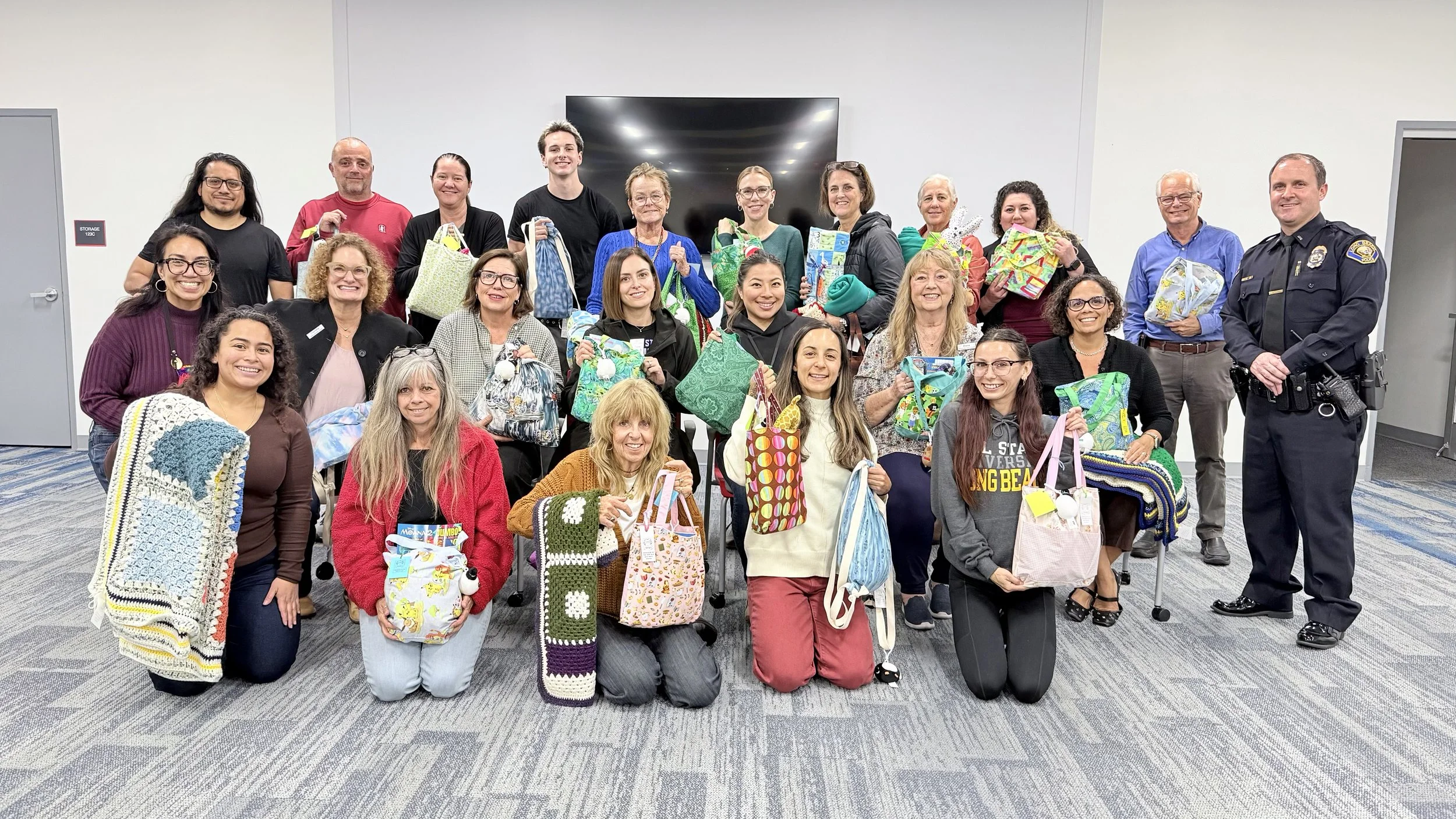
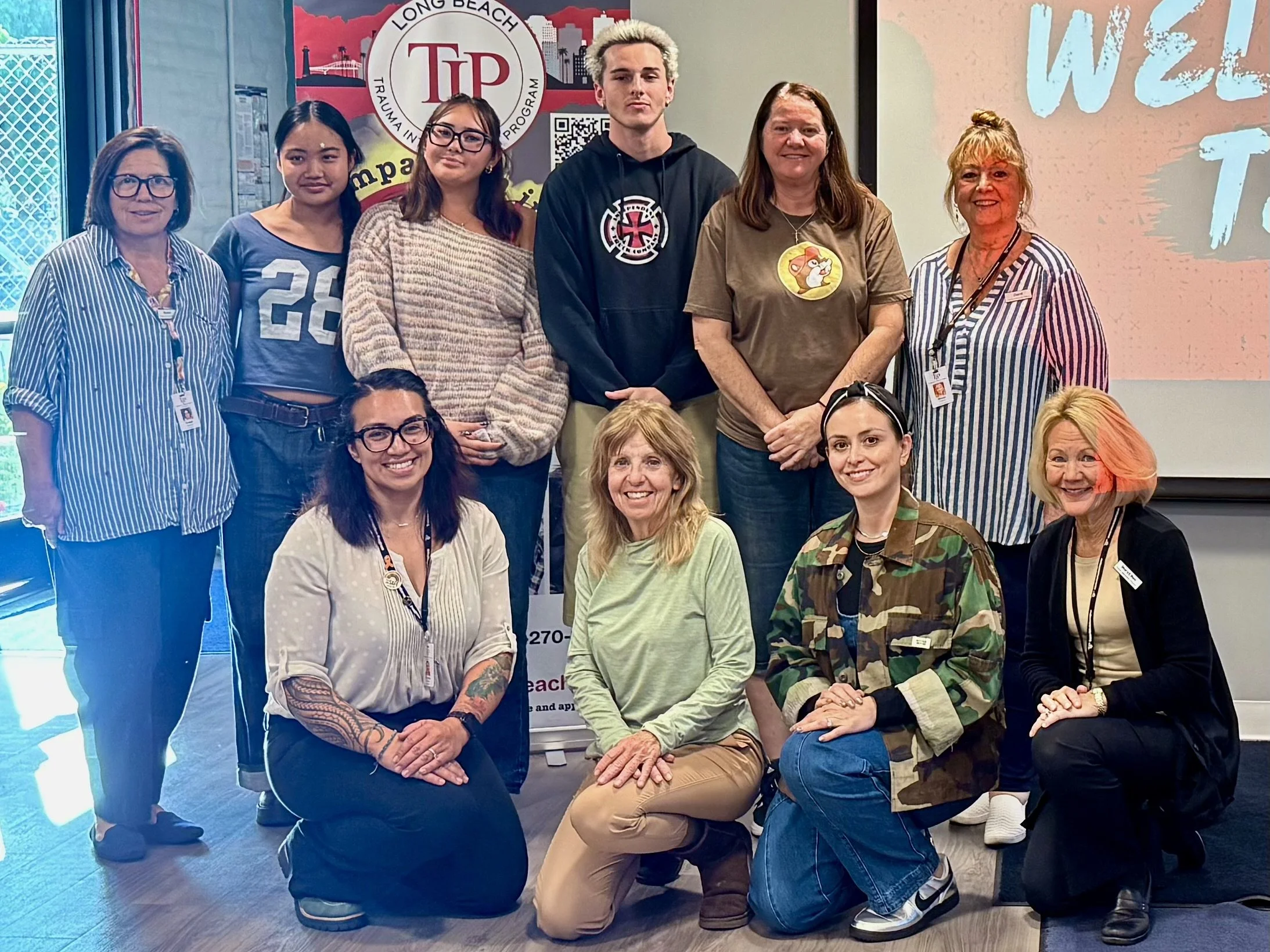
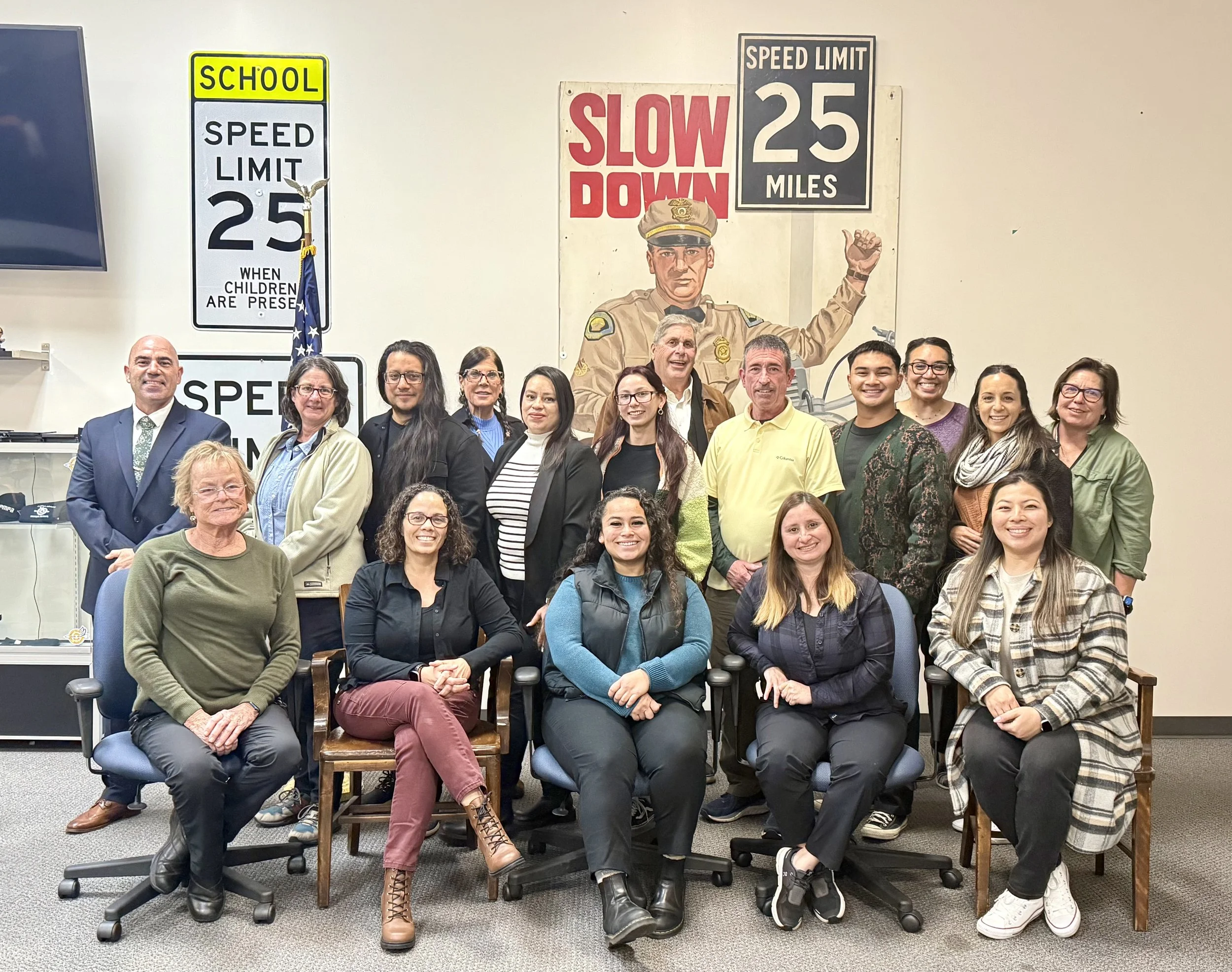
Our Team

Our History
TIP of Long Beach was founded in 2021 to bring consistent, compassionate emotional first aid to the Long Beach community. Since then, our volunteers have responded to traumatic events city-wide and worked with local first responders to ensure survivors are not alone during their most difficult moments.
TIP was founded by Wayne Fortin, whose vision was to ensure that no one faces crisis alone after first responders leave the scene. Learn more about TIP’s founder.
Why TIP Matters
When a traumatic event occurs, first responders must focus on securing the scene and providing emergency care. Once they leave, survivors are often left alone during the most emotionally overwhelming moments.
Without support, individuals may experience what is often called the “second injury” — additional emotional harm caused by confusion, isolation, or lack of guidance. This can include being left alone after a sudden death, not knowing what steps to take next, or having no one to help explain what has just happened.
TIP volunteers help reduce this second injury by offering calm presence, emotional first aid, and practical support during the first critical hours after tragedy.
What TIP Believes
When a traumatic event occurs, first responders must focus on securing the scene and providing emergency care. Once they leave, survivors are often left alone during the most emotionally overwhelming moments.
Without support, individuals may experience what is often called the “second injury” — additional emotional harm caused by confusion, isolation, or lack of guidance. This can include being left alone after a sudden death, not knowing what steps to take next, or having no one to help explain what has just happened.
TIP volunteers help reduce this second injury by offering calm presence, emotional first aid, and practical support during the first critical hours after tragedy.